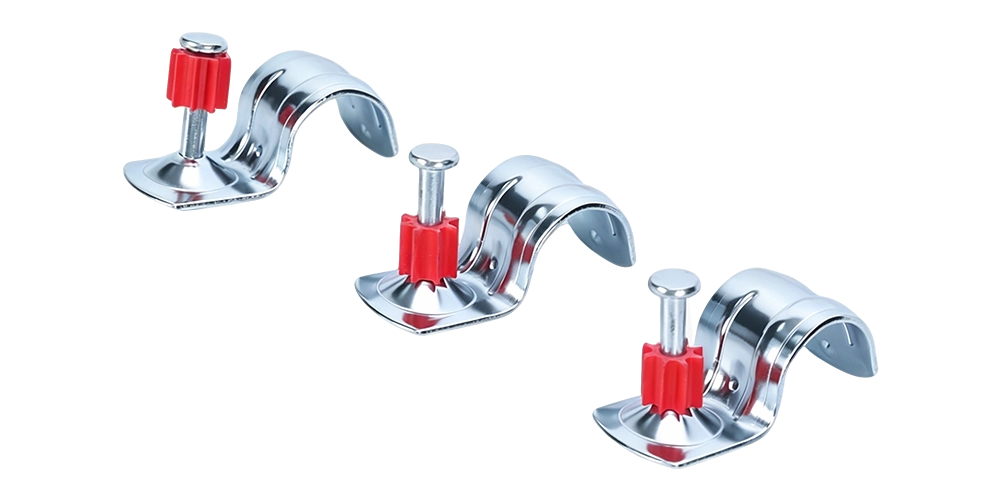
We manufacture powder-actuated fastening components for concrete and steel applications, including drive pins, washered pins, threaded studs, powder loads and compatible fastening tools.
Powder-actuated fastening systems provide a fast, efficient way to attach materials directly to concrete and structural steel. By using a controlled powder load to drive hardened fasteners into dense base materials, these systems eliminate the need for pre-drilling, anchors, or secondary fastening hardware in many applications.
Contractors rely on powder-actuated fasteners for speed, consistency, and holding strength. When properly selected and installed, they provide secure attachments across electrical, mechanical, framing, HVAC, and general construction projects. The key to performance is selecting the correct fastener type and matching it with the appropriate powder load for the substrate.
The system pairs three components:
1
Powder-Actuated Tool
Fires the charge and drives the fastener.
2
Powder Load (Charge)
Supplies the controlled energy, typically color-coded by power level.
3
The Fastener (Drive Pin)
The hardened steel pin, nail, or pin-and-washer assembly that penetrates the substrate.
When the tool is triggered, the powder charge propels the fastener into the base material in a fraction of a second, creating a secure mechanical connection without the need for pre-drilling in many suitable applications. Matching the right fastener to the right load and substrate is what determines whether the installation holds properly — too little power underdrives the pin; too much can crack the substrate or overdrive the fastener.
General-purpose pins for wood-to-concrete, furring strips, electrical box mounting, and steel-to-steel fastening. Available in multiple shank diameters and lengths to match embedment depth requirements.
Pins fitted with an integrated or add-on washer for increased bearing surface — used where the fastened material is thin, soft, or prone to pull-through, such as sheet metal, plywood, or vinyl-coated materials.
A knurled (textured) shank improves grip and holding value in lower-density concrete or where extra pull-out resistance is needed.
Engineered tip geometry that reduces spalling and improves penetration consistency in harder or aggregate-heavy concrete.
Combine a powder-actuated base with a threaded stud, allowing secondary hardware — brackets, clips, conduit straps — to be attached after the pin is set.
Available Drive Pin Configurations
Drive pins offer cost-effective versatility and are often used when contractors need to switch between materials or fastening types without changing systems. Browse our full drive pin catalog for detailed specs.
Collated nails are pre-loaded fasteners assembled in strips or magazines for use in compatible powder-actuated tools. Designed for high-volume fastening, they support repetitive applications where speed and uniformity are critical. These fasteners are commonly used in structural and light-gauge steel applications that require consistent embedment depth and secure attachment.
Common Uses
Performance Advantages
Collated systems are particularly effective on larger commercial builds where hundreds or thousands of fasteners are installed in a single phase of work. See our collated nail options for tool compatibility and packaging details.
Fastener selection comes down to a few core variables:
| Factor | Why It Matters |
|---|---|
| Base material (concrete strength, steel gauge) | Determines pin hardness, point style, and required load power |
| Fastened material thickness | Affects shank length and whether a washer is needed |
| Required holding/pull-out strength | Drives pin diameter, knurling, and embedment depth |
| Tool compatibility | Pin head and shank must match the specific PAT tool |
| Environmental exposure | Determines finish — zinc, galvanized, or specialty coatings for corrosion resistance |
Key takeaway: Getting embedment depth right is the single biggest factor in long-term holding performance. Too shallow and the connection is weak; too deep and you risk substrate damage or a compromised fastener.
Every drive pin we produce is manufactured to consistent hardness, shank tolerance, and head geometry specifications — because in a powder-actuated system, the fastener has to perform correctly on the first shot, every time.
Standard & custom pin lengths / diameters
Multiple finish options (zinc plated, galvanized, and more)
Bulk & job-lot packaging for contractors and distributors
Consistent QC for OEM & private-label programs
Looking for a custom or private-label run? Visit our OEM & Private Label Programs page to get started.
Powder-actuated fastening tools are high-energy systems that require trained operators. Adhering to safe work practices protects personnel and ensures consistent fastening results.
Best Practices Include:
Adhering to established safety procedures reduces risk and helps maintain productivity on the jobsite. For tool-specific guidance, see our Safety Guidelines resource.